Shadow foam for FOD prevention and tool control
A missing tool should be obvious before the panel closes.
Profoama was founded by a U.S. Air Force aircraft mechanic and pilot. On a flight line, a tool that can't be accounted for isn't an inconvenience. It's a potential foreign object left in an engine, a control run or a wheel well. Our shadow foam gives every tool an exact pocket, so an empty one is visible at a glance.
Start with a photo of your kit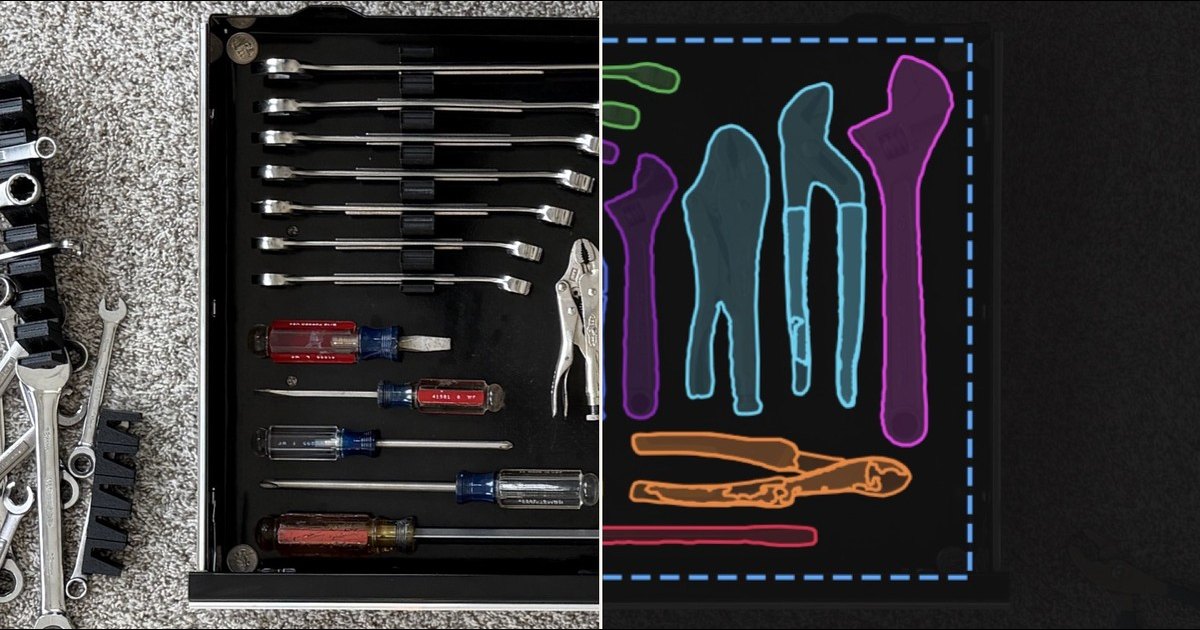
How shadow foam supports tool accountability
- Empty pockets show color. A precision-cut top layer sits over a contrasting base layer. When a tool is out, its pocket shows the base color.
- Inventory in seconds. Check-out, check-in and shift-change counts become a glance at the drawer instead of a count against a list.
- One home per tool. Pockets are cut to each tool's actual outline, so tools don't get swapped between slots or stacked in a spare corner.
- Identical kits across a tool crib. Order as many copies of an insert as you need, all cut from the same file. Every box issued from the crib looks the same, so anyone can inventory it at turn-in, which is hard to guarantee with hand-cut foam.
Part of the program, not a replacement for it
Shadow foam is a visual control. It makes the tool-accountability parts of a FOD prevention program, such as those under AS9146 or NAS 412, faster and more reliable. It works alongside your sign-out logs, shift inventories and lost-tool procedures, not instead of them.
What a lost tool really costs
The replacement price is the smallest part of it.
- Man-hours. A lost-tool search pulls technicians off the job, often several of them, until the tool turns up.
- Downtime. An aircraft or piece of equipment can be held until the missing tool is found or cleared.
- Damage. A tool that isn't found can become foreign object damage, the most expensive outcome of all. Boeing has estimated that FOD costs the aerospace industry about $4 billion a year.
- Replacement. Tools that walk off job to job add up, especially in shared kits where nobody notices until the tool is needed.
A drawer that shows its own gaps catches the problem at the moment it happens, while the tool is still easy to find.
Built for the shop floor
Inserts are cut from cross-linked polyethylene (XLPE), a closed-cell foam used for aviation tooling, military equipment cases and medical instrument trays. It doesn't compress permanently, doesn't absorb water, resists mildew and mold, and has excellent chemical resistance. You choose the colors of both layers, so kits can be color-coded by shop, aircraft type or crib.
Put every tool on the record
Photograph a drawer or case with four quarters in the corners and approve the layout. We cut the rest. For crib-wide or volume orders, email [email protected].
Get started